PHYSICAL THERAPY
FOR GOLFERS
MORE FAIRWAYS. FEWER FLARE-UPS.
Don't let pain keep you off the course.
One-on-one physical therapy to help you play stronger, longer.

PHYSICAL THERAPY
FOR GOLFERS
MORE FAIRWAYS. FEWER FLARE-UPS.
Don't let pain keep you off the course.
One-on-one physical therapy to help you play stronger, longer.
Tired of pain affecting your golf game?
Your lower back starts hurting and getting tight by the back nine, and you're just trying to finish 18 holes without making it worse.
That nagging shoulder or elbow pain shows up every time you swing, making it harder to play comfortably.
Your hips feel stiff and tight, and no matter how much you stretch, you just can't get the rotation you used to have.
You're sore for days after a round, wondering why something you love doing leaves your body feeling so beat up.
You've noticed yourself changing your swing or holding back because you're worried about aggravating that same old injury.
You're playing fewer rounds, skipping tee times, or turning down invitations because you don't know how your body will feel.
You're tired of being told to "just rest and take some time off" when all you want is to get back out on the course.
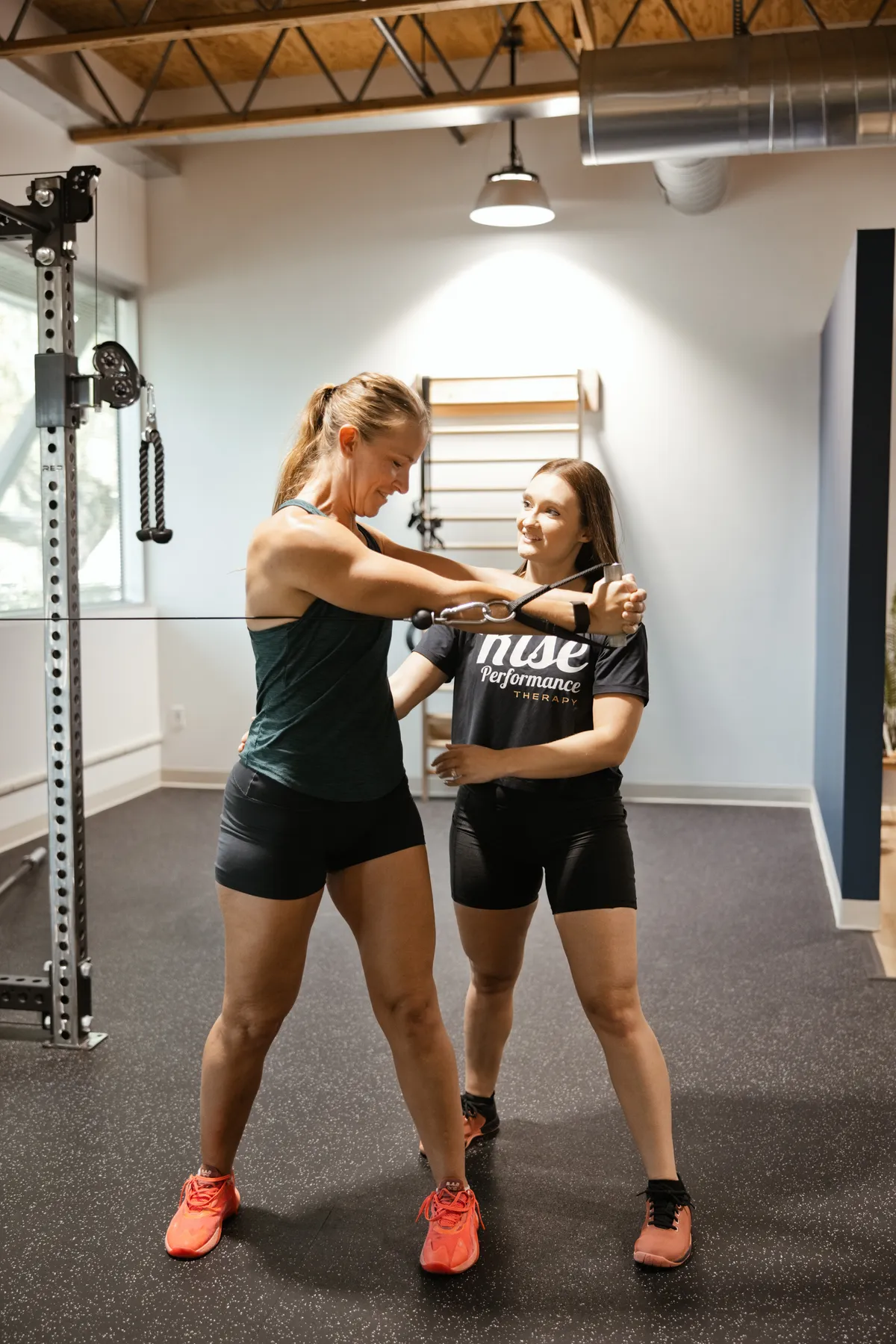
We specialize in golfing related injuries.
Whether you're a weekend golfer, hitting the course a few times a week, or working to lower your handicap, we'll help you get out of pain, build strength and resilience, and feel confident in your swing so you can keep playing the game you love for years to come.
Common golf-related injuries & conditions we treat:
Low back pain & stiffness
Hip pain & limited rotation
Rotator cuff injuries & shoulder pain
Golfer's elbow (medial epicondylitis)
Tennis elbow (lateral epicondylitis)
Wrist & hand pain
Knee pain
Muscle strains & overuse injuries
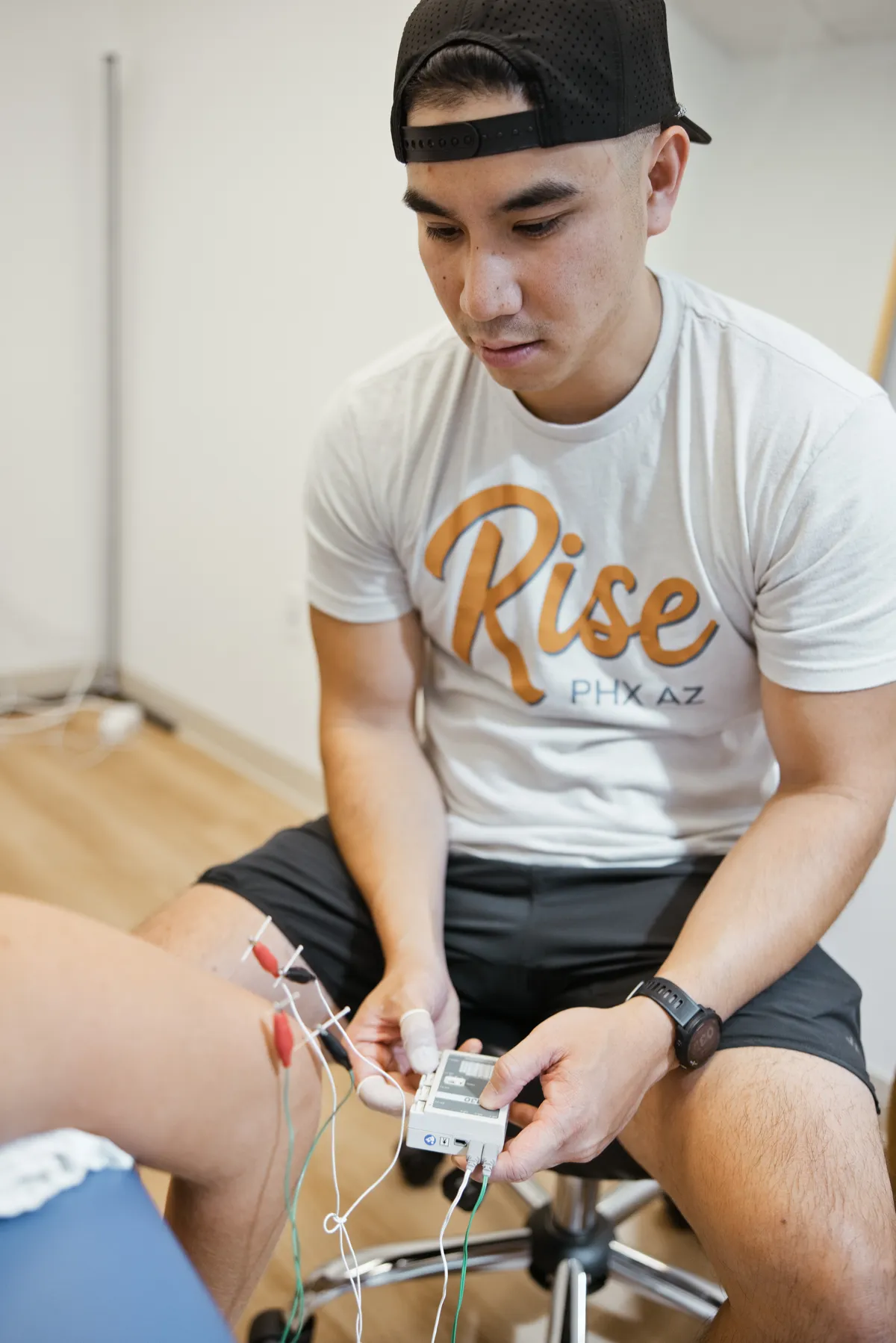
How we get you back on the course...
1
RELIEVE THE PAIN
Our detailed evaluation will give CLARITY on what's going on, why you may be having pain, and how we can help. Get a solid plan designed to fit your goals, schedule, and preferences.
2
BUILD A FOUNDATION
The basics… mobility, stability, and strength. Check all 3 boxes to alleviate pain and get back to your activities. Each exercise has a specific INTENTION and relates directly to your goals.
3
RISE FOR LIFE
Sessions start feeling like training. The focus is optimizing performance, becoming bulletproof, and increasing LONGEVITY. Continuity plans available to supplement your active lifestyle.
FAQ's
How is your approach different from other physical therapy clinics?
Here's the thing: Getting out of pain is one thing. Getting back to golf without that same pain coming back is another.
Traditional physical therapy often focuses on reducing pain with light exercises, stretching, and passive treatments. While those things can help you feel better temporarily, they don't always prepare your body for the demands of an actual round of golf.
Golf is more physically demanding than it looks. Every swing requires your hips, spine, shoulders, and core to work together to generate power and control rotation. And when your body lacks the mobility, stability, or strength to handle those demands, pain can keep coming back.
That's where we're different.
At Rise, we don't just focus on where it hurts. We look at how your entire body moves and what might be contributing to your pain. We assess your mobility, stability, strength, power, and coordination to identify what needs improvement.
Then we build a personalized rehab plan that combines hands-on care, progressive strength training, and exercises specific to your goals.
Our goal isn't just to get you out of pain. It's to help you build a stronger, more resilient body so you can keep playing the game you love for years to come.
We'll help you continue golfing while you recover, with guidance on how to manage your symptoms and avoid unnecessary flare-ups.
Should I just STOP golfing until my pain goes away?
Not automatically. In fact, if golf is your escape, your time with friends, and something you look forward to every week, then HELL NO.
The goal isn't to stop doing what you love. It's to figure out WHY you're hurting and what your body needs to handle the demands of golf.
That might mean temporarily adjusting how often you play, how many holes you complete, or how hard you're swinging while we build the mobility, stability, and strength your body needs.
You don't necessarily need less golf. You need a smarter game plan.
We got you. We'll show you how to keep playing whenever possible while building a stronger, more resilient body for years to come.
How do I know I’m not causing more long-term damage?
Pain is your body's way of telling you something needs attention. As golfers, it's easy to play through those little aches and pains until they become bad enough that you're forced to take time off the course.
Does that mean you're causing more damage every time you swing? Not necessarily. But continuing to ignore pain without addressing what's causing it can sometimes make things worse.
We take a proactive approach to help you get ahead of those nagging aches and pains before they turn into bigger problems that keep you from playing the game you love.
Why didn't resting fix my injury?
Rest can help calm down pain and irritation, but feeling better doesn't always mean your body is ready to handle the demands of golf again.
Rest alone doesn't build the strength, mobility, or tissue tolerance your body needs. And too much time off can actually reduce your body's capacity to handle activity.
That's why you might feel great after taking a few weeks off, only to have that same back, hip, or shoulder pain come right back when you return to the course.
That's where performance physical therapy comes in. We identify what's contributing to your pain and build a personalized plan to improve your strength, mobility, and resilience so your body can better handle the demands of your golf game.
The goal isn't just to feel better while you're resting. It's to feel better while doing what you love.
Frustrated by pain for more than 2 weeks?
Don't wait any longer. Many people experience improvement at their very first visit.
HOW TO GET STARTED
Submit this form. Our team will get in touch to learn more about your situation, answer your questions, and see if we might be able to help. If you feel like we're a good fit for you, they'll help you schedule your first visit.
PHYSICAL THERAPY FOR RUNNERS
Sports Physical Therapy for Runners in Phoenix


